Ladders (continued)

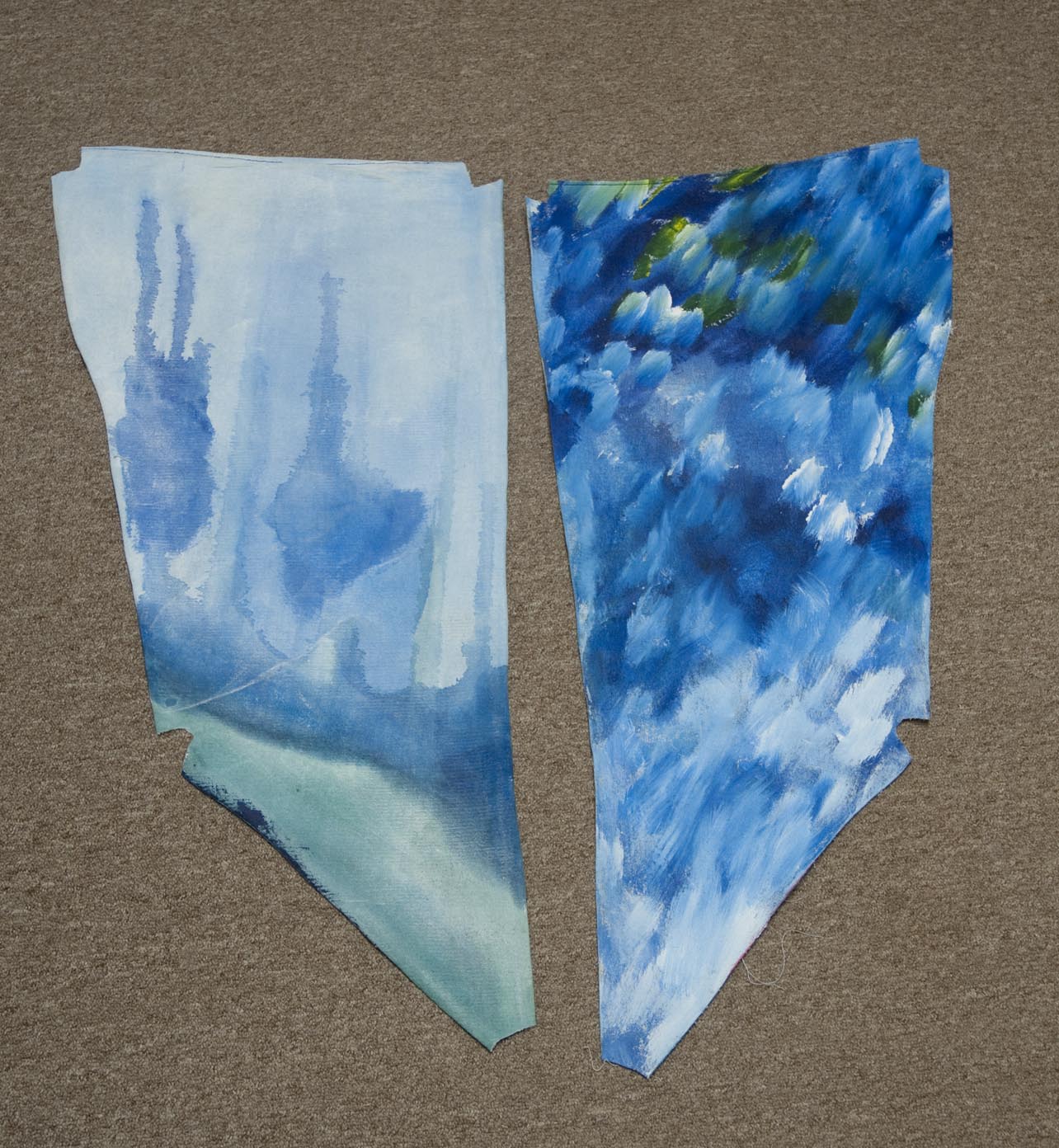
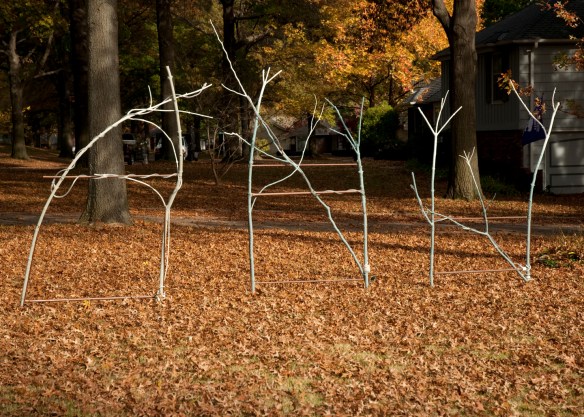
Construction of the Ladders structure was phase one of the piece.  The second phase has been painting and adding canvas strips.

The process reminded me of the work my grandmother used to do repairing the seats of her kitchen chairs.  She lived in a small, two-room house across the street from us when I was growing up; one room was the kitchen/living room/sewing room/library and the other was her bedroom, which was just large enough for her bed and a small dresser.  My grandmother moved to her tiny house from the farm after my grandfather died in 1952.  She lived there alone for the last ten years of her life, although she was rarely alone.  As I said, she lived across the street and one of my aunts and an unmarried cousin lived next to her.  On an adjacent lot was another adult cousin and her family, so my grandmother’s house was almost never empty.  On Saturdays and Sundays, some combination of aunts and uncles and cousins always visited and my grandmother spent the rest of the week sewing and cooking in preparation for these invasions.

My grandmother had suffered an injury to one of her hips at some point, which made it painful for her to walk or stand so she spent most of her day sitting in her wicker rocking chair, cutting strips of cloth from old dresses, shirts, sheets and any discarded material she could get from the family and friends.  In addition to the chair-seats, she also used this material to weave rugs, coasters, and place mats.  The strands of material were carefully braided and sewn together, making them very strong.  My process is much more fragile and not intended to be utilitarian.

I painted both sides of a 24″ x 36″ piece of canvas before cutting it into strips.  I found that when I had finished painting, I was reluctant to cut the strips; I liked the overall piece I had done and considered stretching and framing it as it was.  However, that was not the creative intent at that point, so I went ahead with my plan and cut the canvas into strips of varying width.  I forgot to take a photo of the intact piece.  Probably just as well.

With the exception of some touch-up painting of the structure, I have one more process to add to the piece.  I’ll share that with you in a subsequent post.

Ladders

I began working on my new organic sculpture this week and plan to unveil it on July 4.  Our neighborhood is just a few blocks from the city park and we usually have hundreds of people parked on the streets here, so it’s a perfect venue for exhibiting my yard art.
The process this year started with the deconstruction of a couple of last year’s “Trellises.”  Here’s how one looked at the end of the season.

Here’s part of the deconstruction

and deconstruction of the canvasses that were part of the sculpture.

Since last year’s project started with the idea recycling of yard waste, I decided that this year’s piece should continue the recycling by using last year’s art in a new form.

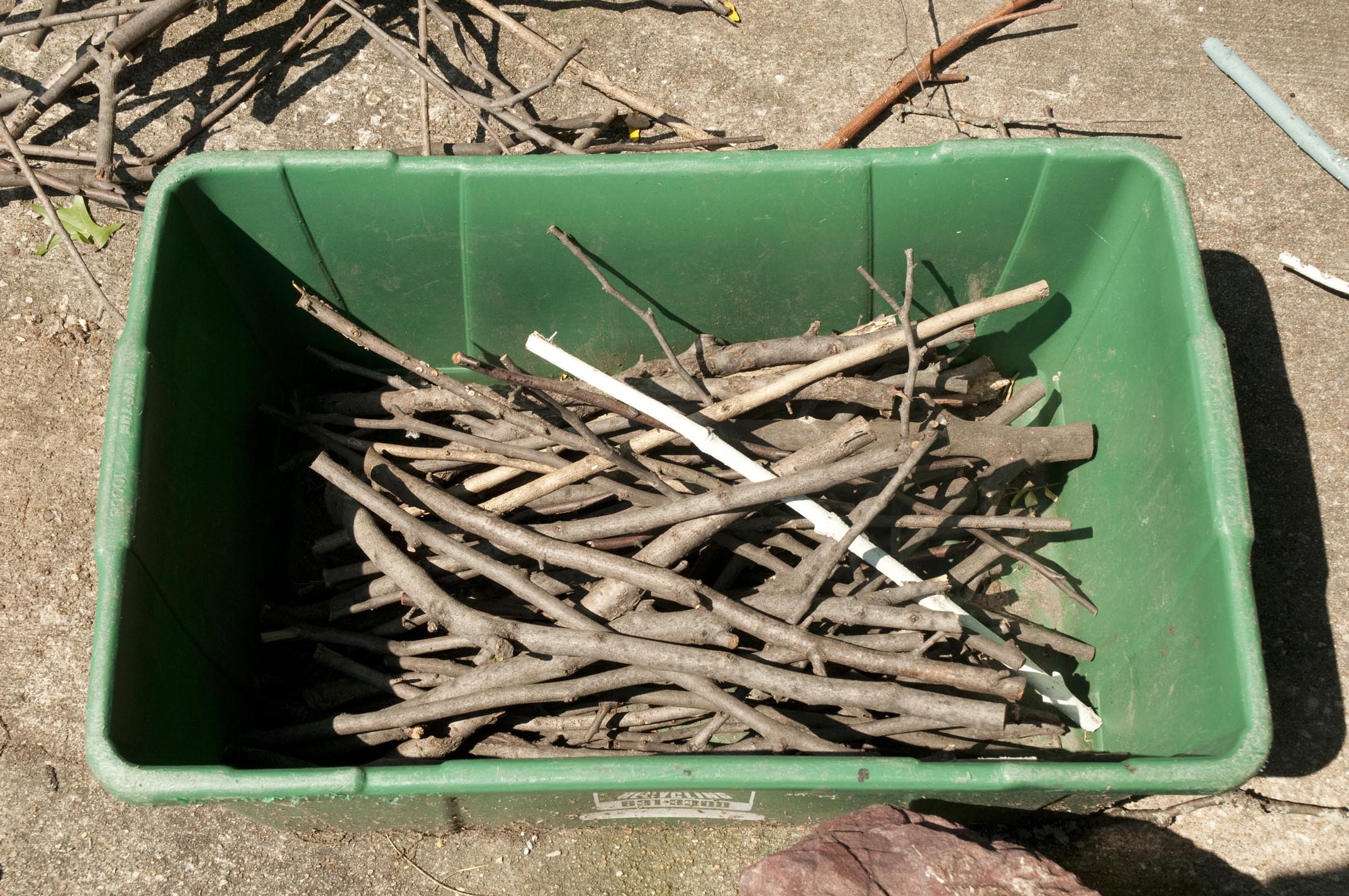
After deconstruction, I started assembling the parts of the new project.

and purchased a new tool that really speeded up the construction process:  an air compressor and air gun.  It works like a charm and I’m thinking about other ways to use it.

Here are a couple of shots of the new components of the project…

And here are a couple of shots of the completed structure.

The next step is to reconstruct the canvasses and add them to the structure.  That is today’s task.  More later.

Liquid time

Observation/image 1
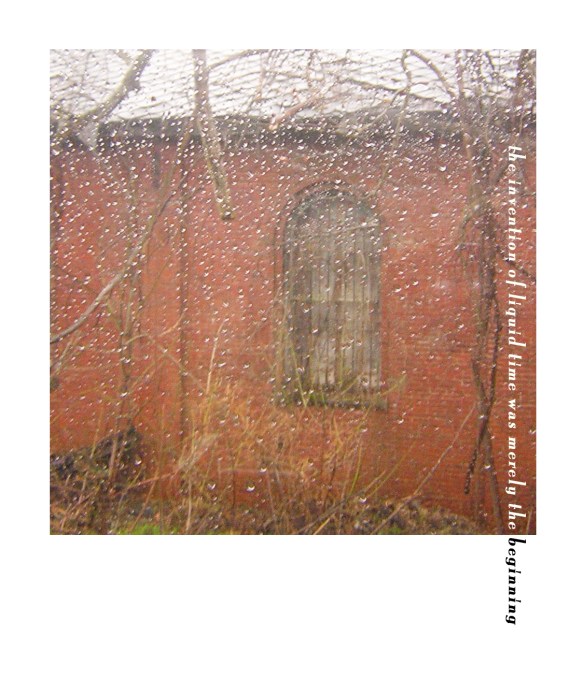
the invention of liquid time was merely the beginning

Observation/image 2
in the beginning was the invention of liquid

Observation/image 3
the invention of the beginning was liquid

Observation/image 4
liquid time
liquid time
liquid time
liquid time
liquid time

Observation/image 5
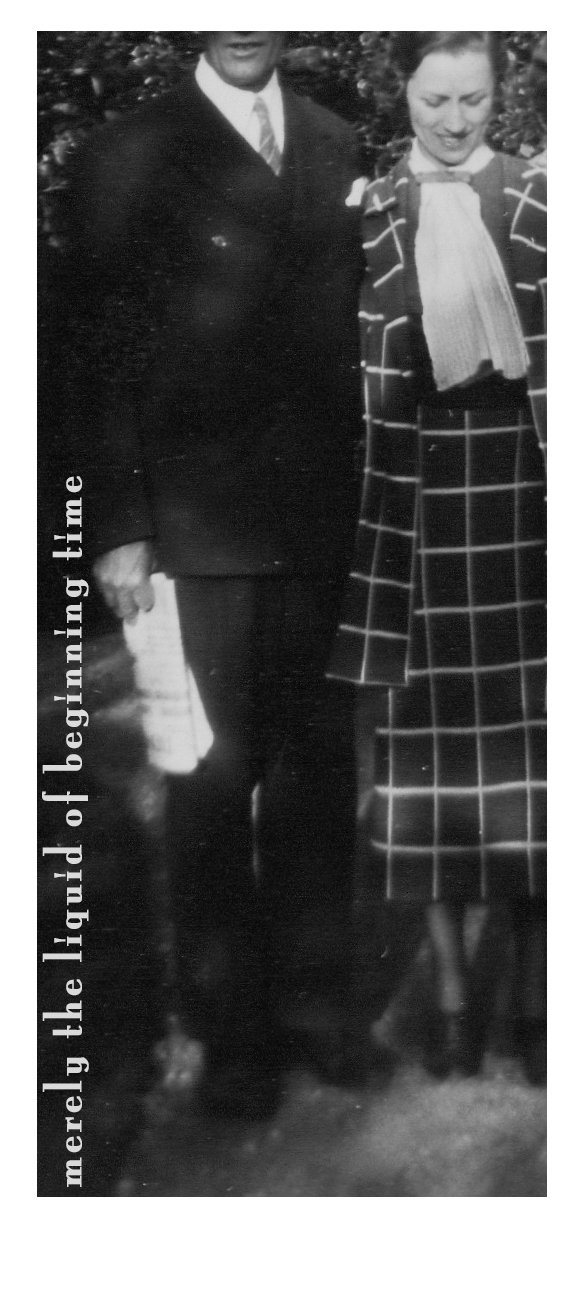
merely the liquid of beginning time

Observation/image 6
liquid beginning
merely time
merely time
merely time

The invention of liquid

In the beginning

The invention of the beginning

Liquid time

Beginning time

Merely time

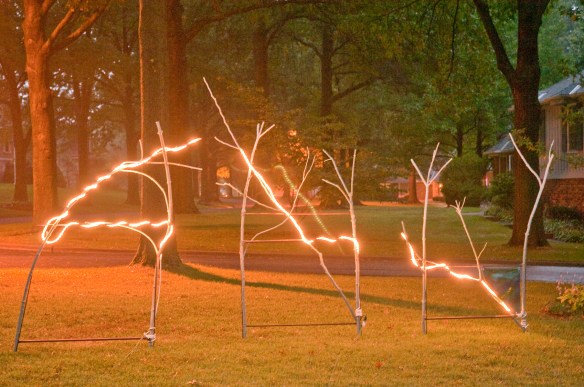
Trellises at night

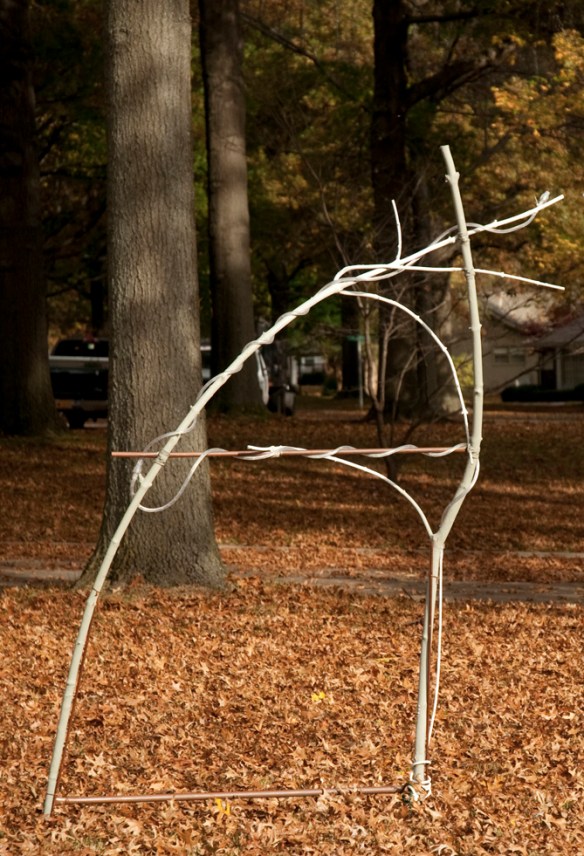
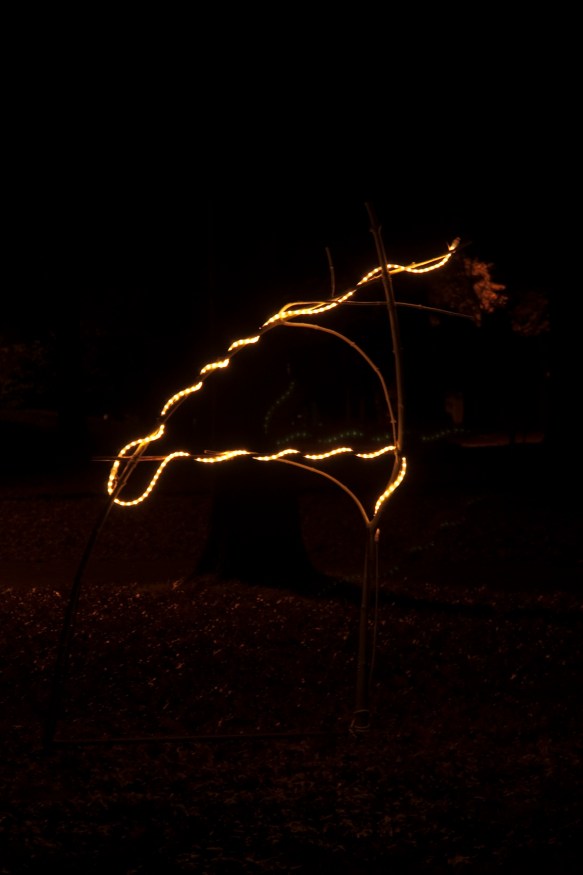
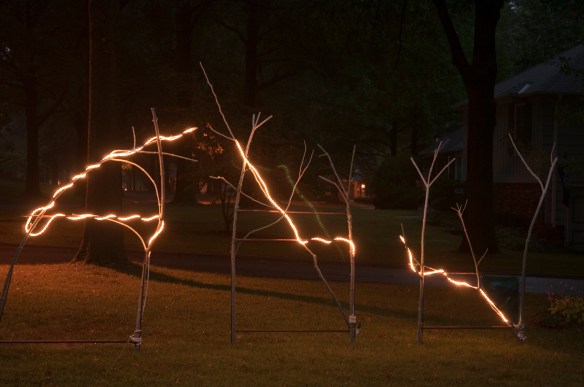
The trellises are strung with rope lights, so night provides another way to experience them.  Since serendipity is a goal of this project (OK, I realize that you can’t plan for a serendipitous experience, but you can plan to embrace it when it comes.  Of course, it’s not serendipity if you don’t recognize and embrace it, right?  It’s just some random occurrence.  Does a serendipitous experience become some thing else if you are on the lookout for it?), the random siting this time around provided an interesting arrangement, particularly after dark (when I look at the pattern of the lights, I see the outline what might be a horse; albeit, a horse with a big nose.  Or perhaps a reindeer.  Rudolph?  Too early for Christmas, but maybe he’s out reconnoitering for Santa.  Now that I think about it, it sort of looks like the Road Runner’s nose.)  Well, certainly not anything I had in mind when I started this, but I’ll take it.

Illumination 2

Illuminated

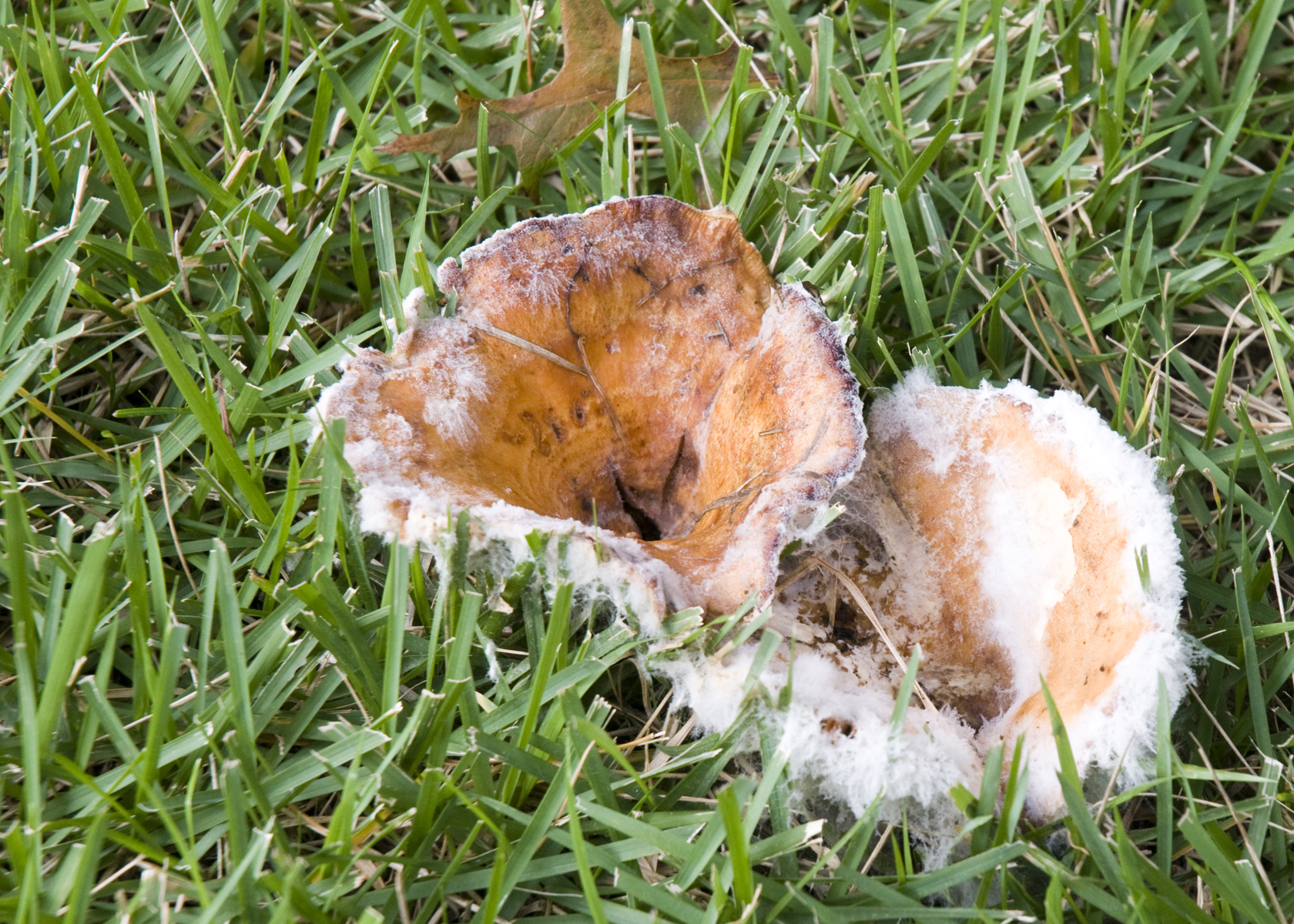
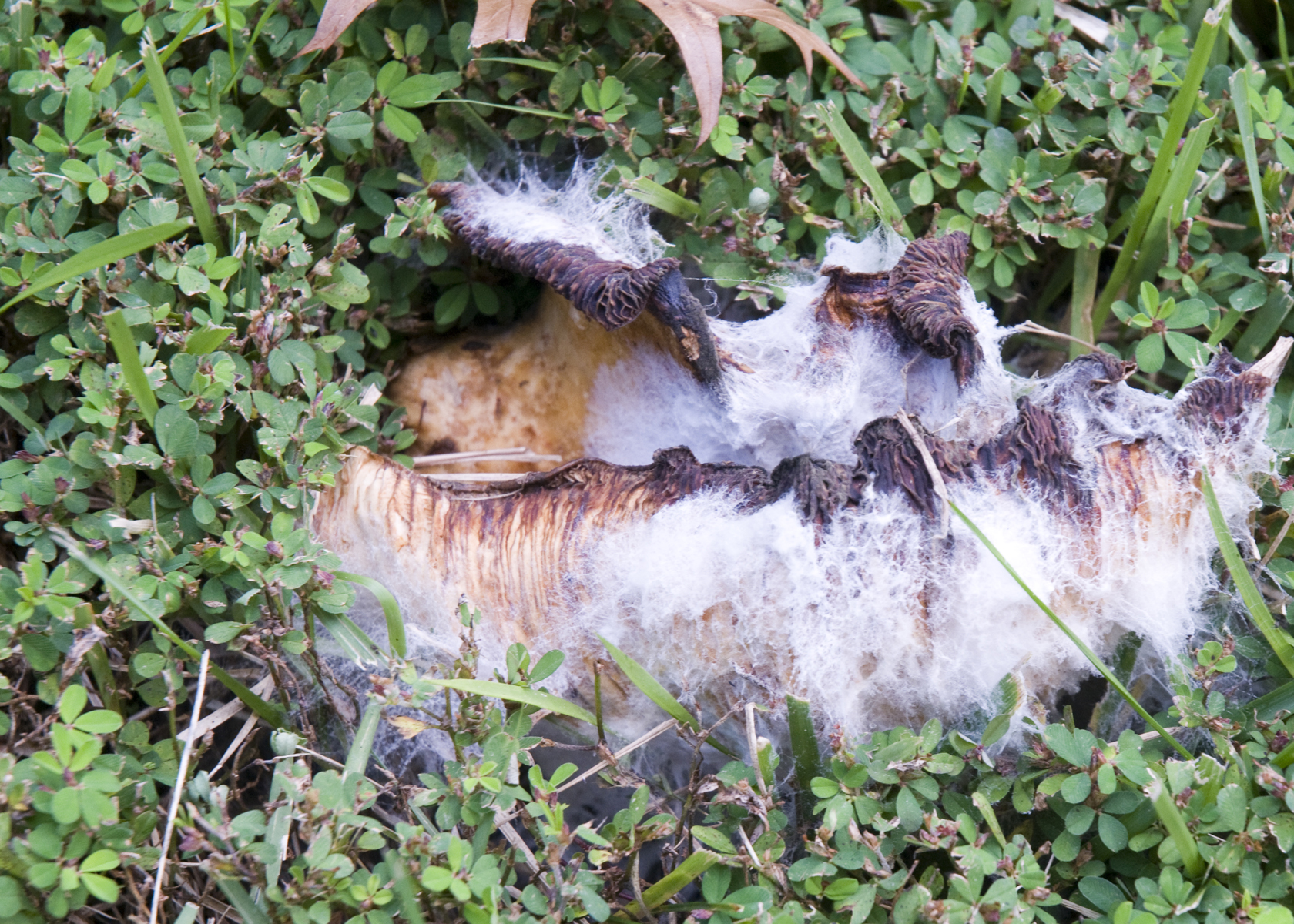
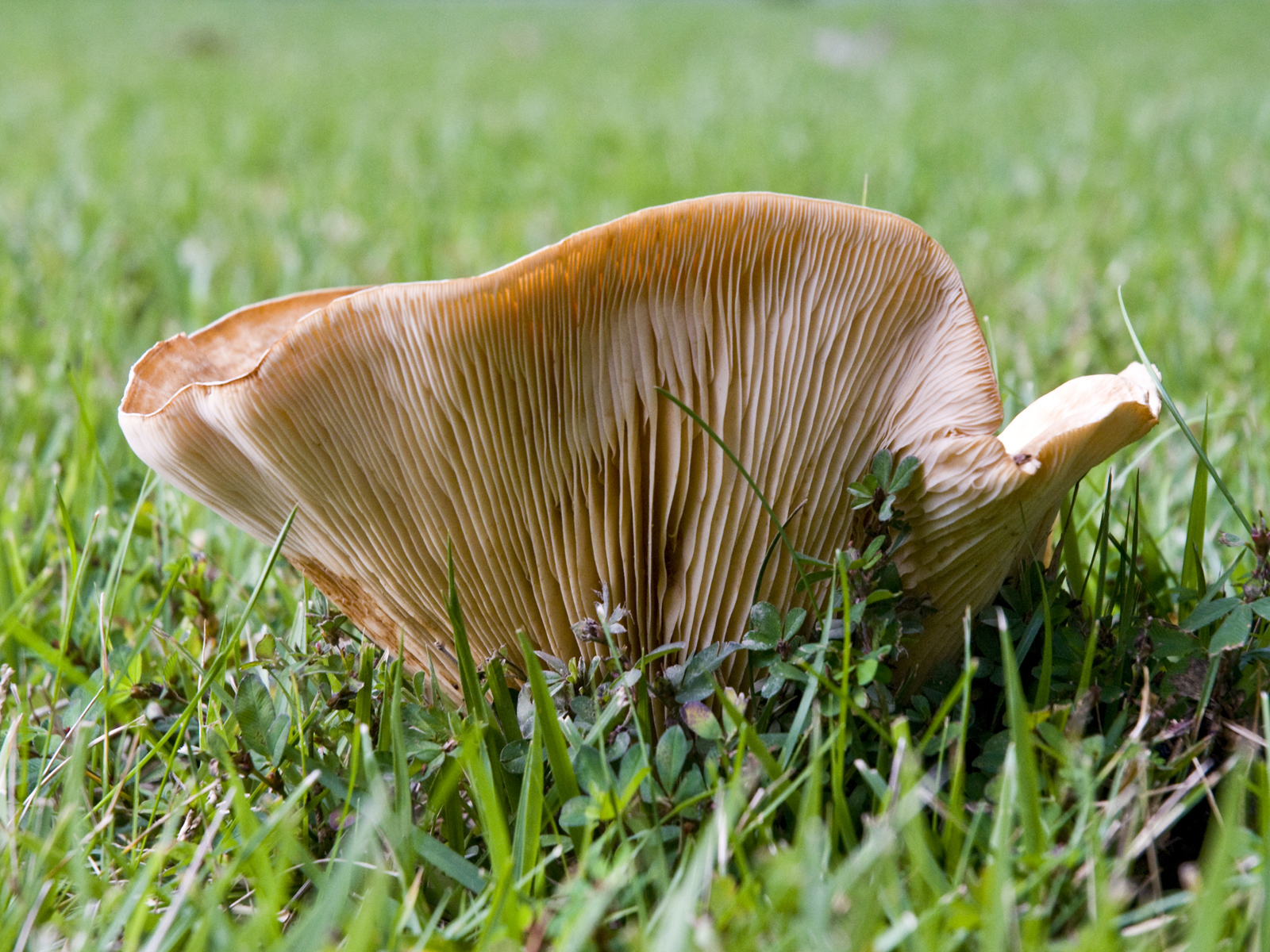
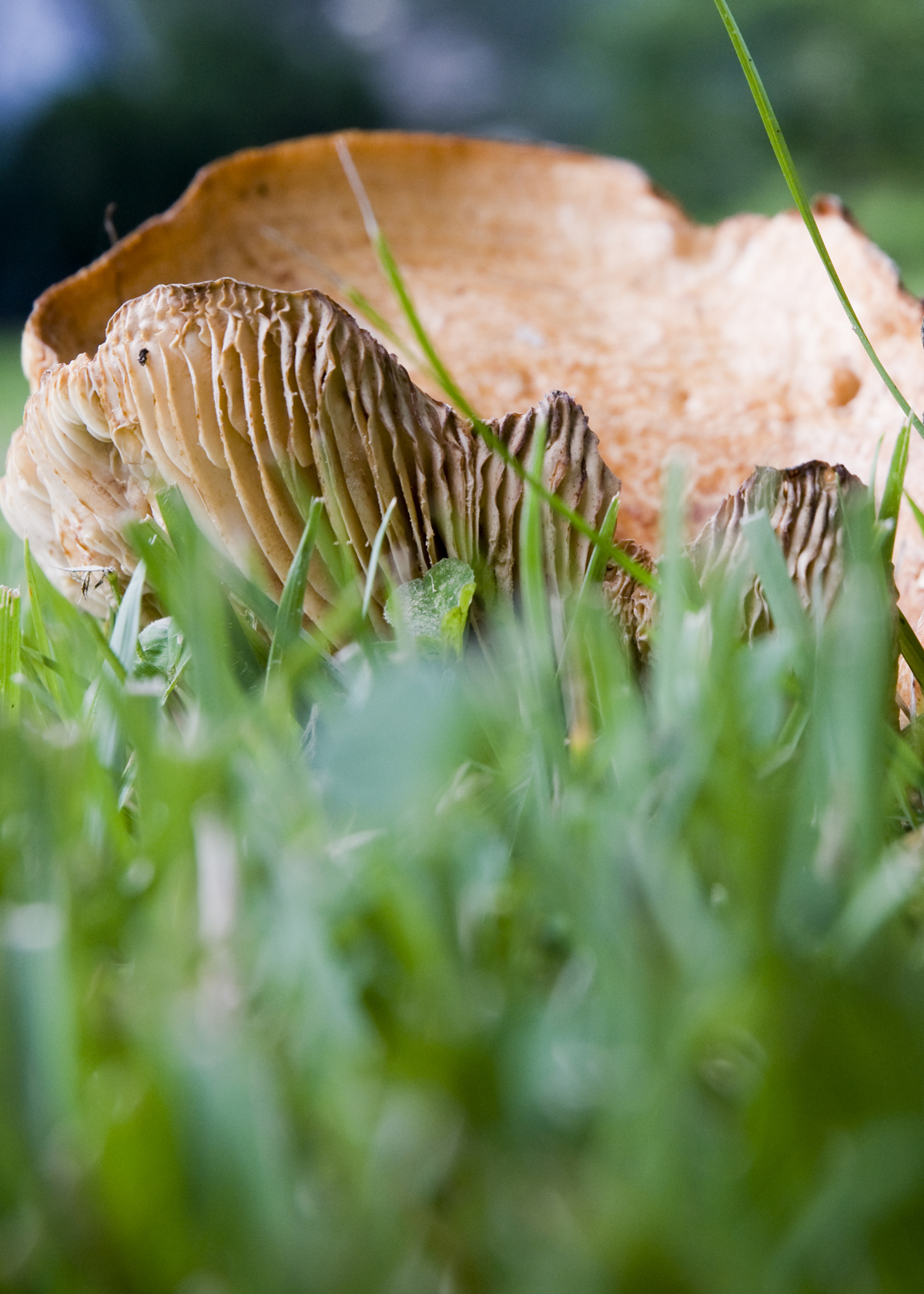
Fungi

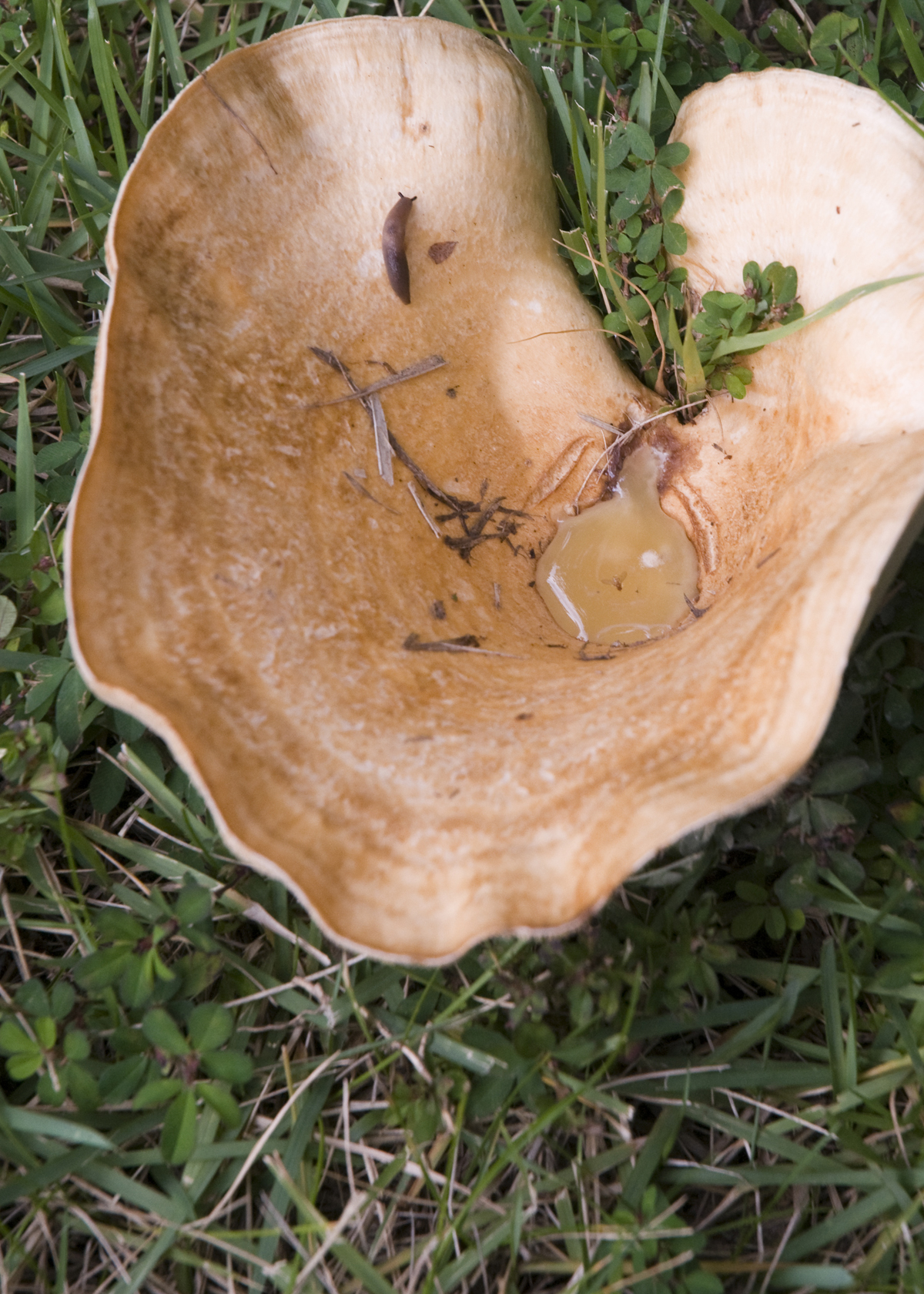
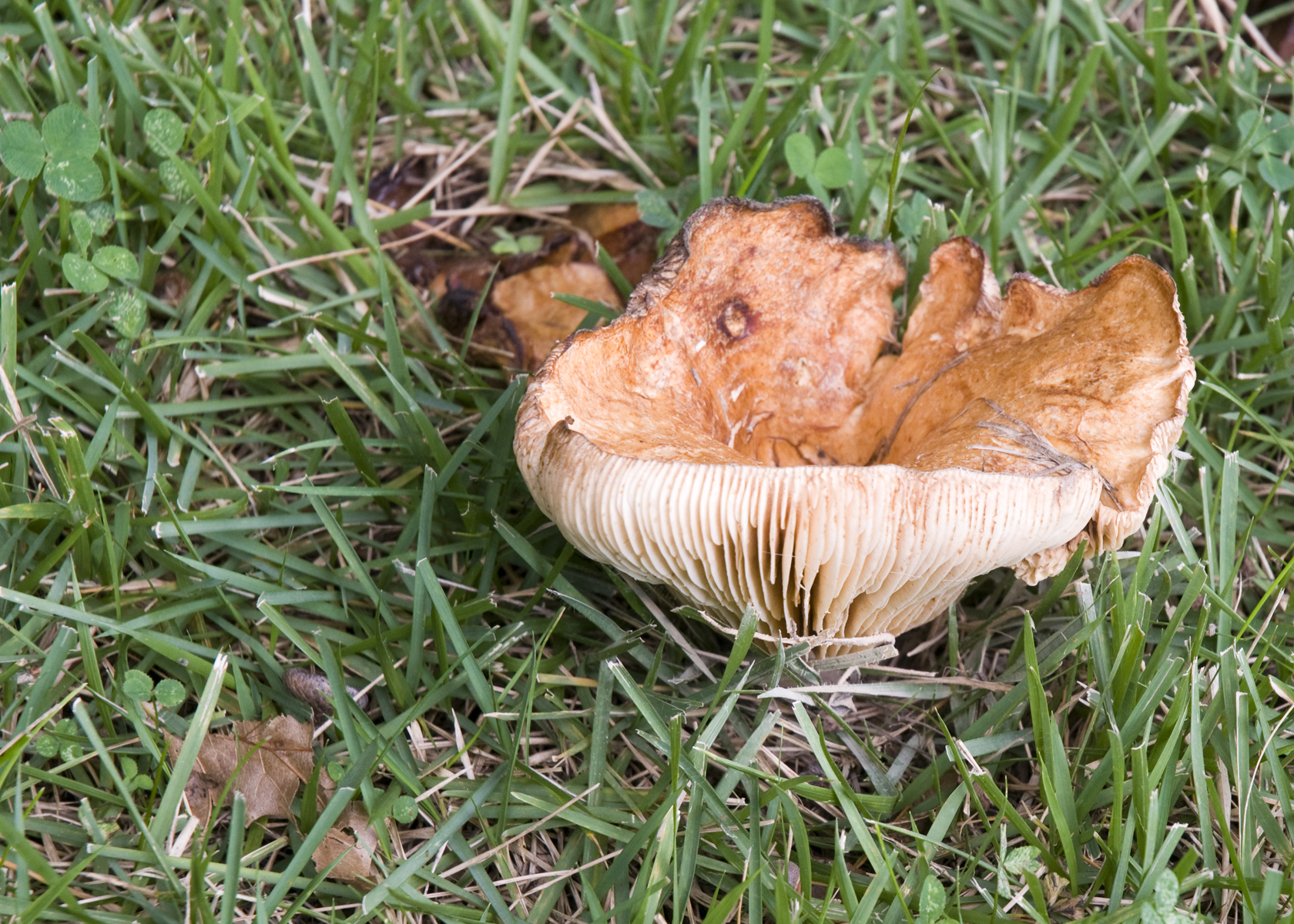
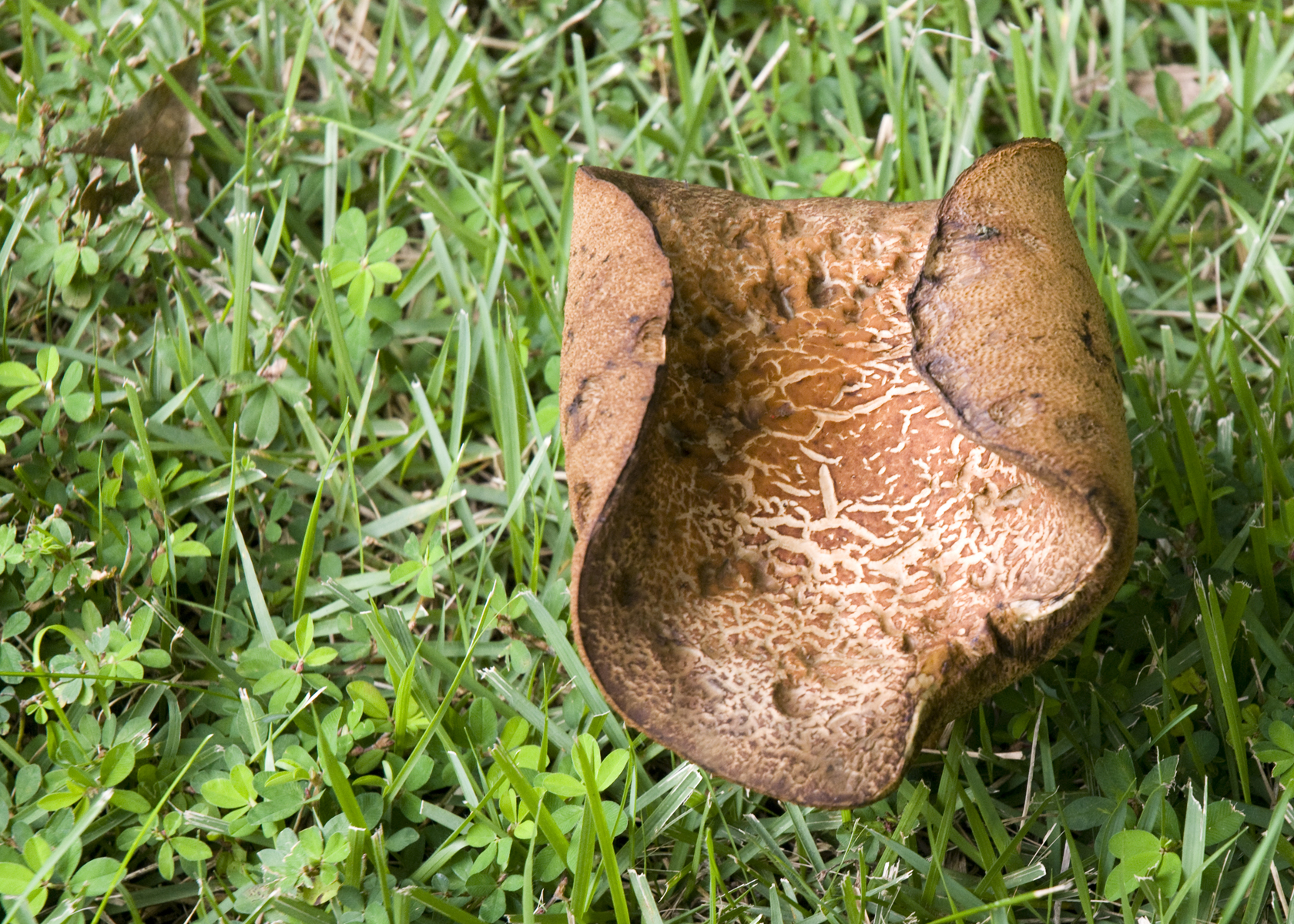
This summer’s weather has been perfect… for growing mushrooms in my yard.  They have surrounded and enhanced the uniqueness of the trellises.  Here are a few shots of what I discovered today.

Of fence — photos, part 1

Here are a few photos of the process of creating Of fence.

Maggie inspecting the work

On the left, you can see the remains of the cedar.  The taller piece is going to become another art project.  Maggie is inspecting my work.

Trimming cedar limbs

Trimming the cedar limbs.  I filled eight lawn waste bags that day.

Pruning a viburnum

Pruning a viburnum that had gotten overgrown.  These limbs will become part of the trellis structure.

Of fence — the proposal

A couple of weeks ago, I was removing a cedar tree in my backyard that had died a while back (actually, it wasn’t dead, but it was well on the way).  I cut the top fifteen feet out of the tree and left a “stump” about eight feet tall at the base of which, I planted a wisteria that I plan to train up around the remaining part of the cedar.

As I was chopping up the limbs of the cedar in preparation for our local trash hauler, it occurred to me that it would be an awful waste to throw the larger limbs away.  Just after we moved to our new house, I constructed a trellis for a climbing rose from limbs I pruned out of a couple of overgrown viburnums.  An idea began to form:  why not do an art piece from the limbs, combining the organic materials with paintings on scraps of canvas?

As the idea has evolved, here are some other aspects of the project that I’d thinking about:

  1. I’m going to construct three four by six foot “trellises” that will incorporate some copper pipe bamboo, along with the canvases.
  2. The trellises will be erected in our front yard.
  3. The trellises will be placed on a grid that I will be laying out in the next week.
  4. The grid will be four by four foot squares, numbered consecutively beginning in the northwest corner of the yard.
  5. The first trellis will be place on a grid square selected by using a random number table.
  6. The orientation of the trellis will be determined by designating the corners of the grid square northwest (1), northeast (2), southeast (3), and southwest (4); using the first number in the Friday Missouri Pick 4 drawing (which I will enter on the off chance that I might win enough to pay for this project), if it is 1-4, as the beginning corner; if the first number in the drawing is not 1-4, I’ll go to the second number; if the second number is not 1-4, I’ll go to the third, etc.; if none of the numbers is 1-4, I’ll use numerology to arrive at the first corner (I’ll explain this more fully in a later post).  The second corner will be determined by flipping a coin three times (I’ll also explain later how the combination of heads and tails will indicate the direction).
  7. The second trellis will be adjacent to the first and the third will be adjacent to the second.  The orientation will be determined in a similar manner to the first trellis.
  8. The trellises will be moved every two weeks on Sunday afternoon, through the end of September.
  9. An area underneath each trellis will be stripped of grass and a combination of perennial flowers, shrubs and bulbs will be planted, extending the outcome of the art project into next spring and summer.

So, that’s what I’m working on.  I’ll post some photos of progress shortly.