Something we all need every now and then.

Something we all need every now and then.
There should be an O’Henry story in here somewhere.
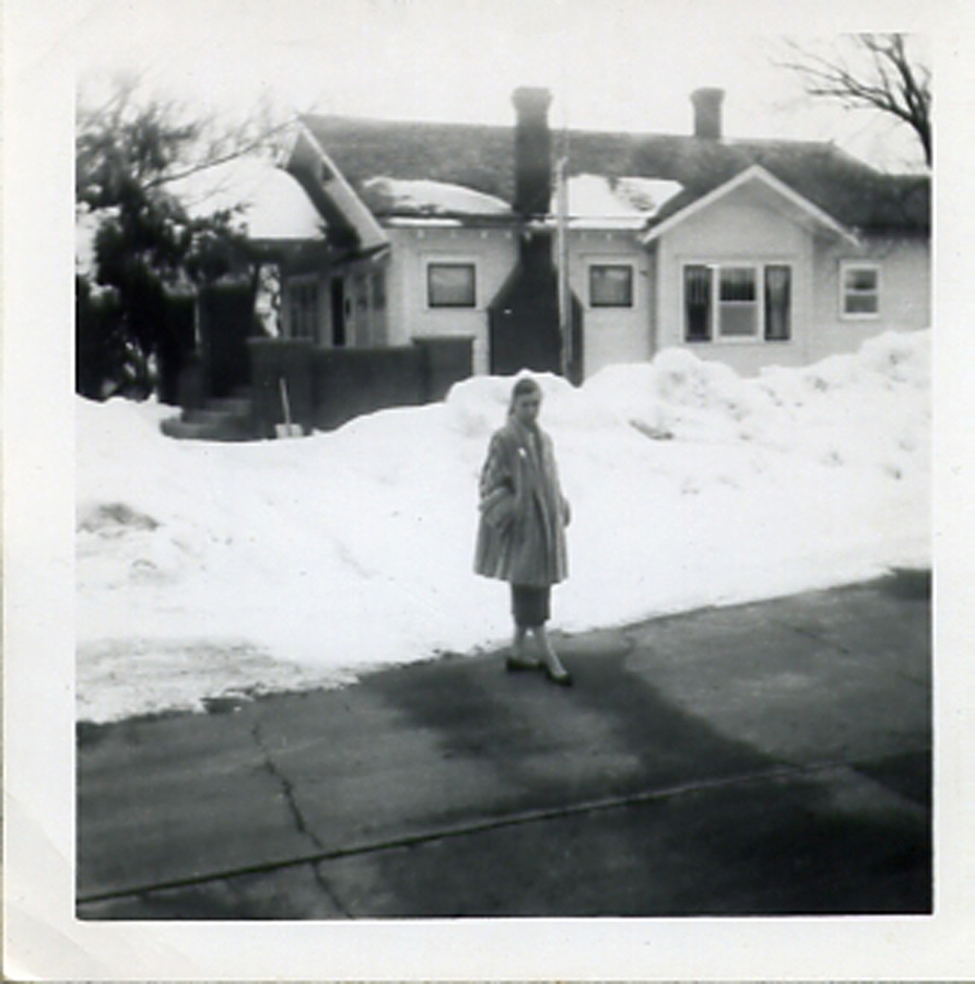
The Christmas gift
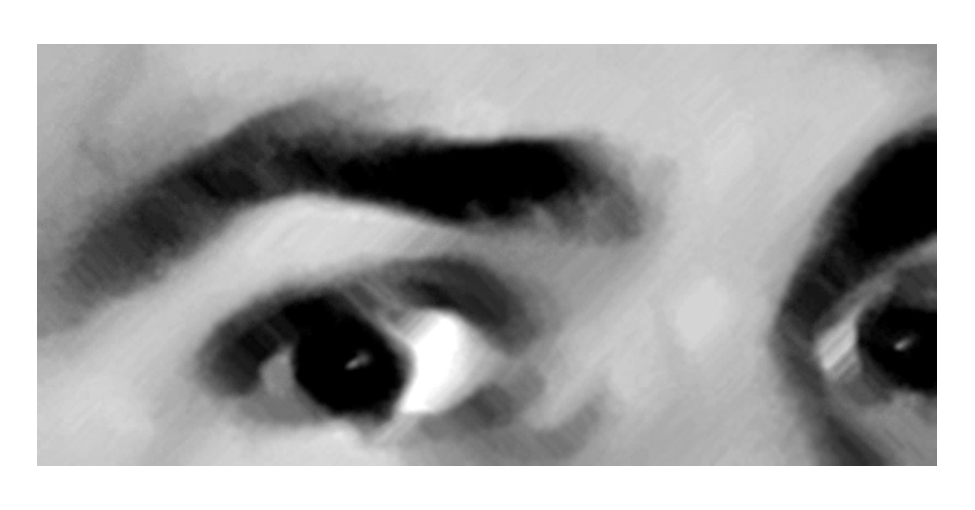
Eyes #1
This is a short story I intend to include in the collection of poems, stories and photos I’m preparing. I hope you enjoy it.
The Lottery Ticket
If a vote had been taken, Maura Sweeney would have been unanimously elected the most unlikeable person in Fork-in-the-Road, Nebraska. At one time or another, she had managed to alienate just about everyone in town, in every generation she came into contact with. When she walked down the street, children would chant “Maura Sweeney is a meany.” Not very original, mind you, but to the point.
When she was growing up, at the age of five or six, Maura began to gain a reputation for having a nasty streak. It wasn’t just the usual childish spats that got her in trouble: fights with other kids or being rude to grown-ups. No, it was probably setting Mr. Norris’ toolshed on fire. Or imprisoning Mrs. Stanley’s cat in a box for a week. Or telephoning the police station and reporting a murder in progress behind the elementary school.
When she got to high school, she was never selected to be in any of the clubs or allowed to join any of the important activities for fear that she would manage to sabotage the homecoming dance or mid-winter band concert, which she certainly would have done had she had the chance. While it was never proved that she cut the ropes to the assembly hall curtains the morning before the senior play, circumstantial evidence was enough to cause her to nearly be expelled from school. It was only by the intervention, once again, of her father, Judge James Flanagan Sweeney that she was allowed to remain in school and complete her senior year, but with the understanding that one more incident would result in her removal. Much to Judge and Mrs. Sweeney’s relief, Maura managed to finish the year without trouble, but at graduation, just after she received her diploma, she removed her cap and gown and ran up and down the aisles of the auditorium, cursing at the principal, teachers and her classmates, using words that even some of the grown-ups hadn’t heard.
Improbable as it seemed, given her poor grades and the numerous citations for her infractions of the rules, she was accepted into Nebraska State Teacher’s College in Peru, where her mother and father hoped that she would finally grow up a bit and stop being such a difficult person. After one semester filled with skipped classes and destruction of college property, the extent of which was sealed in a plea-bargain agreement with the local district attorney, Maura came home to Fork-in-the-Road with no prospects for the future and no real desire to “make anything of herself” as people in town said, shaking their heads and wondering what she would do next.
Psychologists say that often a person with anti-social tendencies such as those Maura exhibited most likely suffered some traumatic event very early in his or her life that makes them mistrust and fear others to the extent that they cannot establish normal relationships with even their own families, let alone people in the “outside” world. It is not known what such an event might have been that set Maura on her path, but by all accounts, her childhood was as ordinary as that of any young person in small-town Nebraska. Or America for that matter. While she grew up in the wealthiest family in town, her father being a successful attorney and member of the state Supreme Court, he and Mrs. Sweeney tried to instill in Maura a sense of responsibility for the well-being of others and a respect for her position in the community. She was neither spoiled or coddled, or unfairly or exceedingly punished for her infractions, which made her behavior all the more perplexing.
To say that those lessons were lost on Maura was an understatement. Two events serve as examples of her uncaring attitude towards others and her disdain for her family’s “position in the community.”
Event number one: The summer after her ignominious return from college, her mother and father were killed in an automobile accident in Lincoln where Judge Sweeney had just that day been sworn in for a third term on the high court. Maura refused to help her Aunt Clara plan the funeral and did not even attend. Aunt Clara, who had been living with Maura and her parents, was devastated by the loss of her younger sister, Maura’s mother, but to make matters worse, a week after the funeral, Maura told her that she would have to find someplace else to live.
“I’m sorry, Aunt Clara,” Maura said, “but this house is just two small for the two of us. I’m sure that Uncle Chet and Aunt Wanda will be happy to have you come live with them in Omaha.”
The fact that the house had fourteen rooms was of no consequence to Maura; she just decided that she would rather live alone and that was all there was to it. Aunt Clara packed and left and never spoke to Maura again.
Event number two: Even though Maura’s parents left a large estate, she managed to spend nearly all of the money within a few years, though no one in town could determine what she was using the money for. She certainly wasn’t giving it to charity, nor was she using it to maintain her large house. Drugs were out of the question and she seemed to wear the same clothes year after year. She did take a trip to Italy one summer and the gossip around town was that she had met a man there who managed to take all of her money, though the thought of Maura trusting anyone enough to give them her money just didn’t quite ring true. The real reason for the evaporation of the money remained a mystery, never solved.
At some point, Maura realized that she would have to have a source of income beyond the remains of the legacy she had inherited and squandered and she decided to take in lodgers, even though having strangers in her house was highly distasteful to her. She hired a local carpenter to make the changes needed to turn her place into a boarding house and advertised “rooms for rent.” Within a week, she had rented all seven of the rooms on the second floor of the house, mostly to single men who were working at the nearby military base. Maura provided nothing beyond the room and she had a very strict policy about visitors on the second floor: none, ever, for any reason. If someone came by to see one of her boarders, they were required to stay on the front porch until the called-upon came down; even then, the boarder and guest could only stand in the foyer to conduct their business. Maura’s rules drove many boarders away within a short period of time and if one of them was even a day late with their rent, they would find themselves out on the street, quickly and efficiently.
One day, Maura answered the door and found an old couple standing there with two suitcases and a parakeet in a rusty cage.
“Miss Sweeney, I’m Harold Coster and this is my wife Florence. We’ve had a fire at our house and the fire chief says we can’t stay there until it’s fixed. The Red Cross was going to put us up at the Stay-the-Night Inn, but it’s full and there’s no place else in town right now. Our neighbor, Mr. Simms, you know Mr. Simms, said that you might have a room you could rent us until our son comes down from Wisconsin this weekend.” This long introduction and explanation was made through the screen door, which Maura pointedly did not open.
“All my rooms are rented,” said Maura, beginning to close the inside door. “And besides, I don’t allow pets.”
“But Miss Sweeney, we don’t have anywhere else to go, and my wife is exhausted from being up all night with the fire. Please, she’ll sleep on your couch. I’ll sleep on the floor. We just need someplace to stay.” It appeared that Harold was going to break into tears at any moment and for whatever reason, Maura had an uncharacteristic twinge of sympathy (or perhaps it was just gas; we’ll never know for sure) and she opened the screen door just a crack.
“I can put you in the library, but just for a couple of days. You’ll have to leave the bird on the porch. I’ll have a cot brought in for you, Mr. Coster and your wife can sleep on the sofa. That will be twenty dollars a day, in advance.” Maura opened the screen door and motioned the couple in, but not before she pointed to the parakeet and then pointed to a table at the end of the porch.
“Thank you, Miss. We can’t tell you how much we appreciate this,” said Harold.
“Just for a couple of days,” Maura said, holding out her hand. Harold looked at it quizzically. “Twenty dollars for today. And I’ll collect the next twenty tomorrow.”
Harold reached into his pocket and brought out a worn leather wallet. He pulled two tens out of it and handed them to Maura, being sure that she did not see that that was all the money he had.
Maura led them into the room she called the library, just to the right of the front door . It was furnished with a rather threadbare sofa, an ancient end table upon which sat a small lamp, and an armchair that was probably old when the house was built in 1887. And despite its being called the library, there was not a book in sight, only dust covering the shelves arrayed along three sides of the room.
“Remember, this is just for a couple of days. Twenty dollars first thing tomorrow.”
“Thank you, again, Miss. This will be just fine.” Harold sat the suitcases down and led his wife to the sofa. Florence had not said a word the whole time, but now she started to cry softly as she looked out the window to where the parakeet was chirping away.
With a look of distaste, Maura turned and left the old couple to themselves. A few minutes later, she knocked on the door to the library and when it was opened, she carried in a rickety cot and sheets, blankets and pillows. Without a word, she started to leave when Harold asked, “Excuse me, Miss, but where is the bathroom? My wife would like to wash her face.”
“It’s at the top of the stairs, on the left.”
“Oh, you don’t have one on this floor? My wife has a very hard time with stairs.” Harold nodded toward the walker that Florence was leaning on.
“Oh, all right, she can use the bathroom down here, but you’ll have to use the one upstairs. And this is just for a couple of days!” Maura’s voice went up an octave and it seemed that she was on the verge of shouting. She turned once again and closed the door, hard, behind her.
Between sobs, Florence finally broke her silence. “Harold, what are we going to do? That was all the money we have. We don’t have any to pay for tomorrow.”
“I’ll call Ronnie again and see if he can wire us something for a few days until he can get down here. It will be just fine. Miss Sweeney can’t be as cold as she seems. I’m sure she’ll let us stay until we can make other arrangements. Maybe we should just go back to Wisconsin with Jimmy.”
“And leave our home? You know I couldn’t do that.” This made Florence begin to cry harder and Harold put his arm around her.
“Now, you go wash your face and don’t worry. We’ll be okay. And it sounds like Charley needs to be fed. I’ll get his food out of the suitcase while you are in the bathroom and when you come out, you can go out and feed him and let him sing to you. That will cheer you up.” Harold knew that it would take more than Charley’s singing to cheer up Florence, but at least it would be a start.
The fire at their house had started in the kitchen where Harold was preparing Florence’s dinner. He couldn’t say for sure, but he may have left a burner on under the skillet he had used to cook her grilled cheese sandwich. He had done that once before, but had caught it before it ignited. He hadn’t told Florence about that incident and he didn’t intend to tell her about his fear that they were now homeless because of his forgetfulness.
After the fire was extinguished, the fire chief let Harold back in the front bedroom to retrieve a few clothes that were not soaked. He stuffed clothes for each of them in one suitcase, found Charley’s bird food and the twenty bottles of pills that he and Florence took for various ailments, Florence’s journal and a couple of books and threw everything into the other suitcase along with her jewelry box.. When he began to unpack the suitcase in Maura’s library/their new bedroom (just for a couple of days), Florence’s journal fell on the floor and out spilled five twenty dollar bills that she had been saving “for a rainy day.” Well, Harold thought, this has been about the rainiest day I can remember.
When Florence returned from the bathroom, Harold held up her journal and said, “Guess what I found?”
“You brought my journal? Why in the world would you do that?” Florence had a look on her face that was a combination of gratitude and disbelief.
“Well, I thought we might need this.” From behind his back, Harold pulled out the five twenty-dollar bills.
“My rainy day money!” Florence’s eyes once again filled with tears as she kissed Harold on the cheek.
“I told you we would be just fine,” Harold said. “But I’m still going to call Ronnie and have him wire us some money in case Miss Sweeney was serious about our only staying here a couple of days. We might need to rent a room at the motel, if one opens up.”
A couple of hours later, Harold thought that Florence was looking a little pale and realized that they had not had anything to eat since lunch yesterday; the fire interrupted their dinner and in all the commotion, they had forgotten to eat.
“Florence, would you like me to go down to the market and get us something for lunch? I could have Stan make us a couple of sandwiches and I could bring back some soup.”
Just about that time, Harold’s phone rang; it was Jimmy who said that he was sorry but he couldn’t send them any money right now, but he would be down at the end of the week to see what could be salvaged from the house.
“I’m really sorry, dad, but my truck was in the garage last week and that took all the money I had to repair it.” Ronnie was a nice kid, but had always been short of common sense when it came to money. He had married right out of high school, worked a series of low-paying jobs, divorced his wife after the second child was born and was paying alimony and child support from his meager earnings at the cheese plant. “But I’ll help you clean out the house and we’ll see what we can save. You and mom should think about coming back to Green Bay with me.”
Harold told Florence about the money, but didn’t say anything about moving to Wisconsin, knowing that right now was not the right time to cause her any more stress.
“We’ll make your rainy day money stretch as far as we can. Maybe Miss Sweeney will give us a break on the rent and let us stay until Ronnie gets here, since this isn’t much of a room. Now, I’ll go get you something to eat.”
Harold came back a little later from the Piggly Wiggly with sandwiches, soup and coffee, which perked up Florence a bit, but soon after they finished eating, she laid down on the sofa and fell fast asleep. Harold spread a blanket over her, made up the cot as best he could and followed her to dreamland.
It was not until the knock at the door woke them that they realized that they had slept through the afternoon and the night. Harold looked at his watch and saw that it was 7:30 a.m. Groggily, he went to the door to discover Maura standing there.
“Twenty dollars for today and you’ll have to be out tomorrow morning.”
“Miss Sweeney, we talked to our son yesterday and he won’t be able to come down from Green Bay until Saturday. That’s only three days away. Couldn’t we stay until then?” Harold was the optimist in the family, but he could tell right away that Maura was not going to back down.
“I told you two days. I’ll need this room tomorrow morning.”
“Very well, we’ll be out first thing tomorrow, though I have no idea where we’ll go.”
“Not my concern,” Maura said, sticking the twenty-dollar bill in her dress pocket as she turned and walked away.
“Well, there’s nothing else to do; we’ll just have to find someplace else to stay until Ronnie comes. Maybe Pastor Frank can help us.” Harold was racking his brain trying to think of ways they could make it through the week.
“Do you really think Pastor Frank will help us after what you said to him?” Florence reminded Harold that he and Pastor Frank had gotten into a heated argument over a minor point of theology, which had led Harold and Florence being asked to withdraw their membership from the church.
“I only asked him why there were ten commandments but twelve disciples and he got all huffy about it,” Harold said, remembering the joy he had felt in tweaking Pastor Frank.
“I’ll go up stairs and wash my face and then go to Daylight and get us a couple of donuts and some coffee. Do you want a twist or a maple bar?”
“You know, I think I’ll go with you. A walk would do me good.” Florence reached for her walker and scooted down the hall to the bathroom to brush her teeth. When she got back, Harold was ready to go and they closed the door to their very temporary shelter, knowing that tomorrow, they would have to leave it, for better or for worse.
After a stop at Daylight Donuts, where Harold got a glazed donut and coffee with extra cream and Florence decided that a maple bar was indeed what she wanted, they walked next door to the Piggly Wiggly and got Stan to make them each another sandwich for lunch.
On the way out the door, Harold noticed the electronic crawl over the customer service counter that announced the Powerball jackpot was up to $198 million, there having been no winner for the last three weeks.
“I think I’m going to buy a lottery ticket,” Harold said.
“But you never do that. Why now when we may be out on the street tomorrow?” Florence was incredulous. She had never known her husband to gamble and now seemed like an odd time to start.
“Well, our luck can’t get any worse,” Harold laughed and headed to the counter.
There were three people in line ahead of him and Florence made her way over to stand beside him.
The customer service counter did all kinds of business besides selling lottery tickets: accepting payments for utility bills, taking dry cleaning, redeeming milk bottles and selling the high-end brands of vodka, tequila, and scotch that seemed to disappear when they were on the regular shelves in the liquor department. Today, the customer at the counter was questioning a charge on her gas bill and Milly, the assistant store manager was trying to explain that she couldn’t do anything about it, that the customer would have to take it up with the gas company. While the discussion went on with Harold and Florence and the others waiting almost-patiently in line, Maura Sweeney entered the store and got in line behind Harold and Florence, not seeming to recognize them for several seconds. As the line moved on, Maura realized that the two people in front of her were her very short-term tenants.
When the last customer in front of Harold and Florence finished her business, Maura said, “I’m in a hurry. Excuse me.” and she cut in front of them.
“One Powerball ticket,” Maura said to the assistant store manager, Milly, before Harold or Florence could say a word.
“Maura, you cut in line. You should wait your turn,” Milly said, thinking that she had seen this behavior many times before.
“I’m in a hurry and they don’t care. One Powerball ticket.”
Milly looked at Harold who just shrugged his shoulders and made a face like “What can you do?”
“Okay, here’s your ticket, Maura. I’m sure it’s a winner,” Milly said sarcastically and before Maura had a chance to move, she said “Next.”
Harold stepped up to the counter and said, “I guess we aren’t the only ones she’s rude to. We’d like one Powerball ticket. The winning one, if you have it.”
Laughing, Milly handed Harold the ticket and said, “I’m pretty sure this is a winner. Good luck. Sorry about the fire. How are you getting along”
“Thanks,” Harold said. “Well, unfortunately, we had to stay at Miss Sweeney’s place last night and she’s kicking us out in the morning. But we’ll be fine. Thanks for asking.”
When they got back to their room, Harold went out to feed Charley and met Maura coming up the walk.
“Are you sure we can’t stay a couple more days, just until our son can come to get us?” Harold asked Maura as she reached to open the door.
“No, like I said, I need the room tomorrow,” Maura said with an annoyed tone in her voice. “I made it very clear when you moved in that I could only give you the room for two nights.”
“All right, we’ll be out in the morning,” Harold said with resignation. After trying to think of somewhere they could stay, he finally decided to call Sandy Arnold, the woman at the Red Cross who had tried to help them the first night.
“I’ll see what I can do, Mr. Coster, but with the regional basketball tournament in town, all the motels are full. I’ll call you back in a couple of hours.”
Harold and Florence spent the next few hours folding and organizing their few possessions, feeding and talking to Charley, and wondering what the next twenty-four hours would bring.
At five o’clock, Sandy Arnold called and said that she had found a room in a motel over in Lister and that she would be happy to take them there. It would also be available tomorrow night also, and the Red Cross would pay for their lodging until the end of the week when their son would come and pick them up. Harold conferred with Florence and since it was getting late in the day, she thought that they should just stay put for another night and move to the motel the next day.
“After all, we’ve already paid for tonight,” Florence said.
After another meager meal of soup and sandwiches from the Piggly Wiggly, they sat down on the front porch to soak in the unusually early spring warmth that was enveloping Fork-in-the-Road. Through an open window, they could hear the news coming from Maura’s TV in the front parlor. After the local news, the local weather, and the local sports, which was mainly devoted to Fork-in-the-Road High School’s win in the first round of the basketball tournament, Rik Ray, the anchor said that after the break, they would be right back with the lottery numbers.
“Well, I suppose I should go get our ticket just in case we won,” Harold said, sighing.
“That would really be something, but you know people like us don’t win. It’s always some truck driver from Delaware or New Mexico. Besides, what would we do with all that money?” Florence had always been the realist in the family while Harold dreamed of riches and trips to far off places.
“I’ll tell what I’d do. I’d make Miss Sweeney an offer on this house that she couldn’t refuse and make her move. And I’d rebuild our old house so Ronnie could move down here and take care of us in our old age.”
“I think we’d have better luck just hiring a full-time nurse than relying on that son of ours to take care of us,” Florence said, probably acknowledging for the first time what had gone unspoken between them for years.
Harold got up and went to their room to get the lottery ticket. When he came back, Rik Ray was just finishing the Pick 3, Pick 4, the Husker Hundred, and Mega Millions, and began to give the numbers for Powerball.
“The first Powerball number is 8,” Rik said in the mellifluous tone he learned in broadcasting school.
“Well, at least we got one,” Harold said, with a laugh.
“The second Powerball number is 14.”
“Now that’s funny. We got two numbers,” Harold said, straightening a bit.
“The third Powerball number is 15.”
“Somebody must be playing a trick on us. We have all three so far.” Harold was leaning slightly toward the open window from which the numbers were coming.
“The fourth Powerball number is 32.”
“This can’t be. Four numbers.” Harold was now walking toward the sound of the TV.
“The final Powerball number is 47.”
“Florence, we’ve got all five of those numbers!”
“And the Powerball is 4. Good luck to everyone who played. That’s our broadcast tonight. See you at ten o’clock.” Rik Ray ended the six o’clock news with his usual cheery demeanor and Harold and Florence heard the TV click off.
“Florence, what did he say the Powerball number was?” Harold’s voice was barely a whisper.
“I think he said it was 4. Yes, he said 4. Do we win anything with five numbers?”
“Florence, the Powerball was 4?”
“Yes, Harold, that’s what he said. Are you feeling well? You’re as white as a sheet.”
“Florence, we have five number and the Powerball number. We’ve won the Powerball jackpot.” Harold had jumped out of his seat and was nearly running up and down the length of the porch, running being something he had not done in a long, long time.
“Harold, sit down. You’re going to have a heart attack.”
The commotion from the front porch brought a couple of the other lodgers down from their rooms, and Maura from in front of the darkened TV.
“What’s going on out here?” Jeff, the lodger in 2C asked.
“Harold thinks we’ve won the Powerball,” Florence said.
“No, I don’t think; I know. We have all six numbers.” Harold held up the ticket.
“Wow, man that’s great,” Norm, Maura’s lodger in 2E said, and added laughing, “Say, aren’t you my long-lost uncle?”
“Wait a minute, that should be my ticket,” Maura stammered. “I was in line right behind you and that should have been mine.”
Harold looked at Florence and then at Maura and said, “Miss Sweeney you gave up what should have been when you cut in line in front of us. If you hadn’t been so unpleasant and in such a hurry, you might be rich right now.”
In most stories like this, Maura would have had an epiphany at this point, realizing that her way of treating other people had finally cost her a great deal, and that the callus that had grown over her heart needed to be cut away, but Maura’s callus not only covered her heart but it seemed to have encased her whole body. No flash of self-understanding emerged to penetrate that hardened exterior. No sudden empathy awakened to make her feel what others were feeling. She had been cheated out of what was rightfully hers, she believed, and she would do what she had always done.
“My attorney will be in touch,” Maura said, a final attempt to impose her will.
“He’ll be able to find us at the motel in Lister until the end of the week, Miss,” Harold said. “After that, we may be in Tahiti or the Bahamas.”
And with that, Harold and Florence packed their suitcases, called Sandy Arnold, the Red Cross lady, collected Charley and left Maura sputtering in anger on the front porch.
I intended to post this back on March 14, but it was just one of my more irrational ideas.

Pi pie
I’m working on a collection of short stories, poems and photos that I’m hope to publish in the next couple of months. Here’s a sample of a photo that will be included:

Paris, Eiffel Tower at night
For a couple of years after I completed my PhD in 2002, I shopped my dissertation around to likely publishers. I tried to make it as unacademic as possible, but it was pretty dry and long. Earlier this year, I got inspired to give it another go and re-wrote major parts of the non-literature review/research methods sections to make it somewhat more “user-friendly.” And rather than go to all the bother of sending it off to regional, subject-matter and potential publishers of “this sort of thing,” I decided to take advantage of one of the new self-publishing outlets and sent it off the CreateSpace, a part of the Amazon.com empire.
The process was amazingly easy and late last week, my book appeared on the Amazon site and should be showing up on Barnes and Noble and other booksellers shortly.
Here’s a link, in case you are interested in reading about the adventures of people who have purchased old houses in some historic Missouri communities.

If you ask someone what their favorite song is, they will probably think a minute and say, “Oh, it’s…. I just love that song. It brings back memories of…”
We all have songs that evoke times and places that are important, happy, and care-free, or that are associated with not-so-happy times that are stuck in our memories. Why we like certain songs may not have any association with times or places at all, though. There are certain parts of songs, for example, that I really enjoy simply for the sound alone. There’s a terrific snare-drum roll on “She’d Rather Be With Me” by The Turtles that always makes me smile; there’s a dirge-like organ part on “I Get Along Without You Very Well” by Carly Simon that makes me understand exactly what she’s going through (there’s also a three-note piano interval that is just heart-breaking); the organ part in “How I Spent My Summer” by Cat Mother and the All-Night News Boys, on the other hand, sounds like a carnival organ, a happy, bouncy sound that plays off the serious political lyrics; the bass line in “Theme from St. Elsewhere” absolutely moves the song along in a merrily rousing way (even though the opening sounds a bit like “Tubular Bells”, that incredibly spooky song from “The Exorcist”); who can resist the banjo on “Some of Shelley’s Blues” by The Nitty Gritty Dirt Band” or the pedal steel guitar on Ray Steven’s obscure, but wonderful version of “Misty”?
For the most part, I tend to identify my favorite songs for the music and not so much for the lyrics. There are certain artists, however, who are at the top of the list because of the words they write or sing; often, it’s not a whole song that catches my attention, rather it might be just a phrase or two that makes me stop and listen. For example, when Marc Jordan sings “I wish this pain would just go away; I wish that dogs had wings” you know that he’s in a terrible place and can’t see how to make it end; when Todd Rundgren says “We all know what comes of that, livin’ in your pockets and talking through your hat”, we begin to understand that there must be more than just the surface of life; I’m sure that we all find hope when The Kinks sing “Here’s wishing you the bluest skies”; and I’ll bet we’ve all thought Herman’s Hermits were right about “Something tells me I’m into something good”.
Music has always been an important part of my life. I inherited my uncle’s trombone and started playing in the elementary school band. I’ve played marches, Dixieland and good old rock and roll. I’ve liked almost every kind of music, though I’ll confess that country/western and rap are styles that elude my appreciation. I developed my interest in classical music when I found a recording of the 1812 Overture in a bin at the local Piggly Wiggly for 50 cents. I’ve been through vinyl, eight-tracks, cassettes, CDs, and now digital. My computer and iPod hold a good deal of my music these days and when I want to hear my favorite song, I don’t have to thumb through the hundreds of 33⅓ rpm records or stacks of CDs; I just pull it up on my Mac, stream it to my amplifier via my Apple Airport Express and listen blissfully. And iTunes even tells me what my favorite song is: I just consult the “Top 25 Most Played” playlist. Well, frankly, I didn’t know that Chad and Jeremy had the honor, but iTunes is never wrong, right?
In case you are wondering (though I can’t imagine that you could be), here are the 25 (mostly pop) songs that iTunes says I have played the most over the last couple of years. And I will admit that I love them all.
Here’s wishing you the bluest skies and the sweetest songs. May they all be your favorites.
Almost every Wednesday morning, I have breakfast with a group of mostly-retired guys from our church. There are a couple who are still working but have flexible hours and enjoy getting together with the rest of us. Ages range from early forties (one of the still-working guys) to middle nineties. If there is one word that is used more than any other in the group, it would be “Huh?” You see, several of the regulars have hearing aids that are never turned up enough to allow them to hear what’s going on in the multiple conversations that seem to be swirling around simultaneously. It’s a congenial group, composed of several ex-ministers and a number of free-thinkers. Most everyone is to the left of Bernie Sanders politically, but the primary topic is, depending on the season, the success of our respective alma maters’ football or basketball teams. During the summer, we pretty much avoid the topic of baseball, since Kansas City doesn’t have a professional team anymore.
Our group tries to have breakfast at the same place every Wednesday so as not to confuse ourselves, but it has been hard to be consistent. Since I’ve been attending, two years now, we’ve managed to close down three restaurants. I don’t think it really has anything to do with us; food service is a tough business to be in. It’s hard these days to find a decent restaurant that will reserve a place for ten to twelve guys every Wednesday, that serves good breakfast food and gives a senior discount. The discount is important. As are servers who will put up with old guys acting like teenagers.
I got to thinking that I’ve developed most of my close friendships because of food. Suzanne and I get together with a group of people once a month for “happy hour.” We meet at one of the couples’ houses on Saturday afternoon, everybody brings a snack and wine and we sit around and talk about nothing and everything. She and I used to get together with a group called the “Lunch Bunch.” Those were people who we first got to know professionally and then became friends with exploring out-of-the-way restaurants around town. We don’t get together with the Lunch Bunch much anymore since a couple of the group moved out of town, but every now and then when the out-of-towners are in town, we’ll meet for pizza at Kelly’s. Distance and infrequency have not diminished the friendships, just the calories.
When we first moved to the Kansas City area, we were invited to join what was called the Dinner Club. Once a month, we’d get together with a group of four or five other couples and have a dinner at one of the homes. The dinners had food themes and each couple was responsible for bringing a specific part of the meal. One memorable dinner had a Greek theme and in addition to dessert, we were in charge of the wine. Now, Kansas City doesn’t have a big Greek population so most of the liquor stores don’t stock much Greek wine. No, that’s not exactly true: they don’t stock any Greek wine. Strangely enough, at a local Price Chopper, I found a bottle of what purported to be Greek wine, on the bottom shelf and quite dusty. Obviously not a big seller, even though the $2.99 price seemed quite reasonable. I suppose that should have given me a clue about the wine, but I was desperate so I bought it. While Greece is one of the oldest wine-making regions in the world, it’s industry supposedly dating back to 6500 B.C., I don’t think much of it makes it to the heartland of the U.S. I may, however, have stumbled on one of those 8500 year-old bottles.
As was the custom with the Dinner Club, we started off the evening uncorking the bottle of wine and filling everyone’s glass. A toast was followed by a taste, which was followed by unanimous looks of shock. It had to be the worst wine any of us had ever tasted. Dick, who is known to drink just about anything said, “This tastes like… dirt!” Indeed it did. After we poured out the residue of my unfortunate purchase, we all had a good laugh and a wonderful dinner. That was the last time I was in charge of buying the wine.
The Dinner Club broke up shortly after that, not because of the wine, but because couples moved or became involved with… life. We are still good friends with one couple who, as it turns out, lives several hundred miles away and when we get together maybe twice a year, guess what? It’s always over dinner. Or lunch. Or breakfast. Business lunches are fine, I’ve had my share, but nothing beats having a meal with friends. And I promise not to bring the wine.
Before email, Twitter, Facebook, texting and Skype, people sometimes communicated with letters and postcards. Yes, it’s hard to imagine that some folks actually sat down and wrote with a pen or pencil, but I assure you it happened.
Those old bits of paper look pretty quaint now, but many of them were quite beautiful: exquisite handwriting on luxurious linen or vellum stationery, or scribbled notes quickly dashed off on postcards, hinting at adventures.
Of course, not all those postcards revealed scenes of exotic lands; sometimes, the picture on the front was of downtown Minneapolis or the state prison in Delaware; perhaps it was a caricature of bathers at the seashore, or an antique photo of cowboys herding cattle in Wyoming.
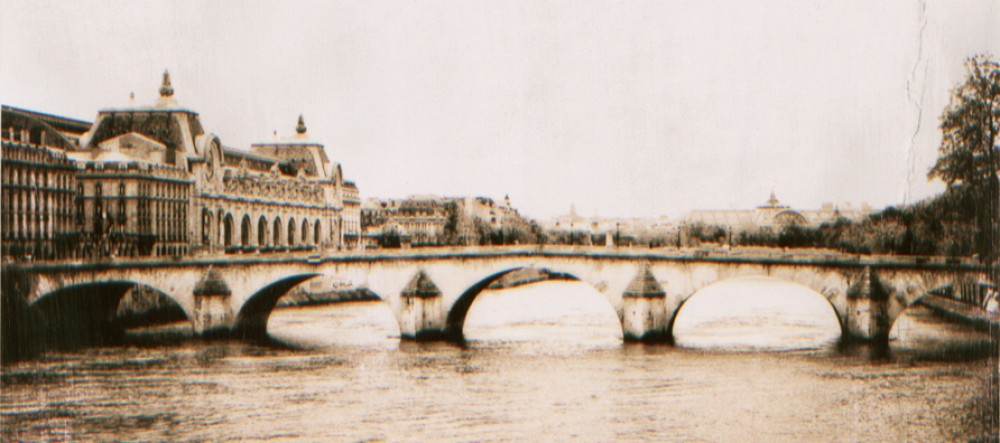
Lately, I’ve been trying to recreate the look and feel of those old postcards and below are a couple I constructed that were accepted into the recent Leawood, KS juried art show. The first is a card showing the Pont Royal bridge in Paris. I’ve also included the original photo from which I created the final image. The second card is a river scene from near Chalon-sur-Saone, France and the original photo.

A postcard of the Pont Royal bridge, as printed, mounted and distressed to resemble an antique card.
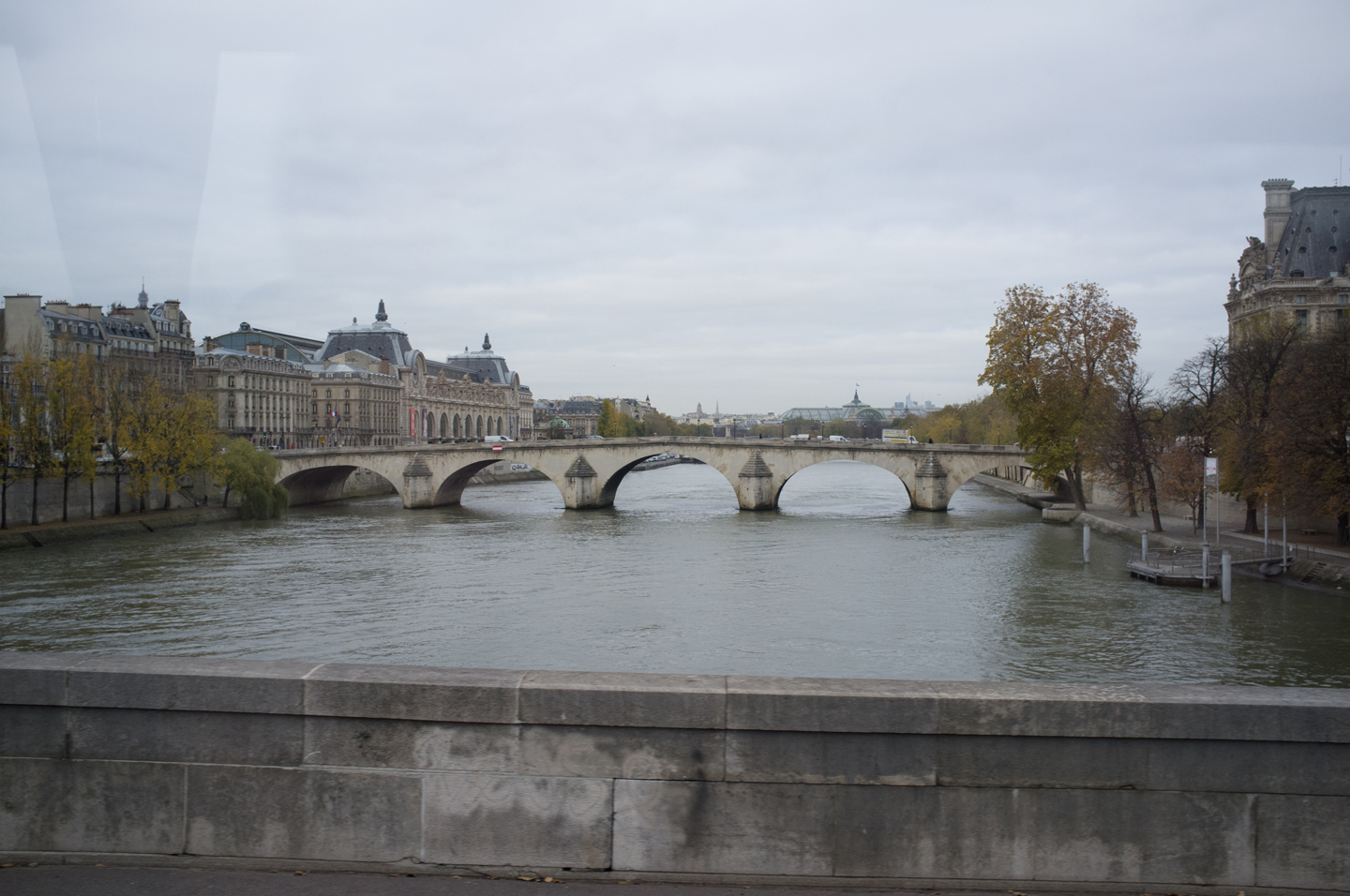
The original photograph, taken from the window of a tour bus in Paris.

The postcard of a river scene along the Rhone River near Chalon-sur-Saone.

The original photo taken from a boat on the River Rhone.
 Let the waters come...